
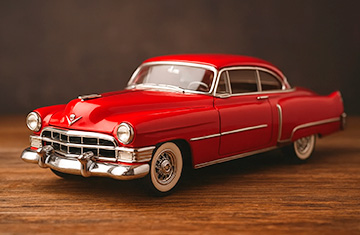
In the world of scale model car collecting, resin models have earned a reputation as the pinnacle of precision, exclusivity, and artistic craftsmanship. While die-cast models dominate the mainstream market, resin models cater to collectors who prioritize accuracy, limited production, and high-end detail. This article explores the unique advantages of resin models, how they are produced, and why they have become essential pieces in premium collections worldwide.
Unlike die-cast models, which are formed using high-pressure metal casting, resin models are produced through a low-volume molding process. This allows manufacturers to create extremely detailed shapes, sharp lines, and complex geometries that would be difficult or even impossible to achieve through traditional die-casting. The result is a model that closely mirrors the actual vehicle’s proportions, stance, and visual presence.
The production process itself is significantly more artisanal. Many resin model brands rely heavily on hand-made components, hand-painted parts, and small-scale assembly lines where skilled technicians ensure the highest level of precision. This craftsmanship is reflected in the final product—sleek surfaces, crisp panel edges, and highly accurate body contours.
One of the greatest strengths of resin models is exclusivity. Because resin molds wear out quickly, manufacturers typically produce very limited runs, often between 50 and 500 units per model. This rarity makes resin models highly desirable among serious collectors and can significantly increase their long-term value. Limited editions, signed series, and special-release variants often sell out within hours of announcement.
Resin brands are also known for tackling niche subjects. While die-cast manufacturers tend to focus on mainstream sports cars, supercars, and widely recognized classics, resin brands often produce rare concepts, prototypes, obscure racing vehicles, and region-specific models. This diversity adds depth to a collection, allowing enthusiasts to showcase unique pieces that cannot be found in mass-market catalogs.
Another key differentiator is the accuracy of details. Resin models often include precise aerodynamic elements, photo-etched metal parts, carbon-fiber finishes, and exact replicas of real-world paint codes. The overall effect is striking—resin models look more like small-scale art pieces than commercial collectibles.
Although resin models generally do not include opening parts or moving components, this is intentional. Fixed-body construction ensures cleaner lines, tighter fitment, and higher fidelity to the original vehicle’s proportions. For collectors who value aesthetics and realism over functionality, resin models offer an unmatched experience.
Today, resin brands have earned a loyal global following. Their commitment to craftsmanship, limited production, and high-end presentation appeals to collectors seeking the most accurate and exclusive replicas available. Resin models represent the convergence of artistry and automotive passion, making them essential for anyone building a premium-scale car collection.
Whether you are an experienced collector or exploring the hobby for the first time, resin models offer exceptional quality and long-term collectable value. They stand as some of the most refined and desirable miniature automotive replicas in the world.
